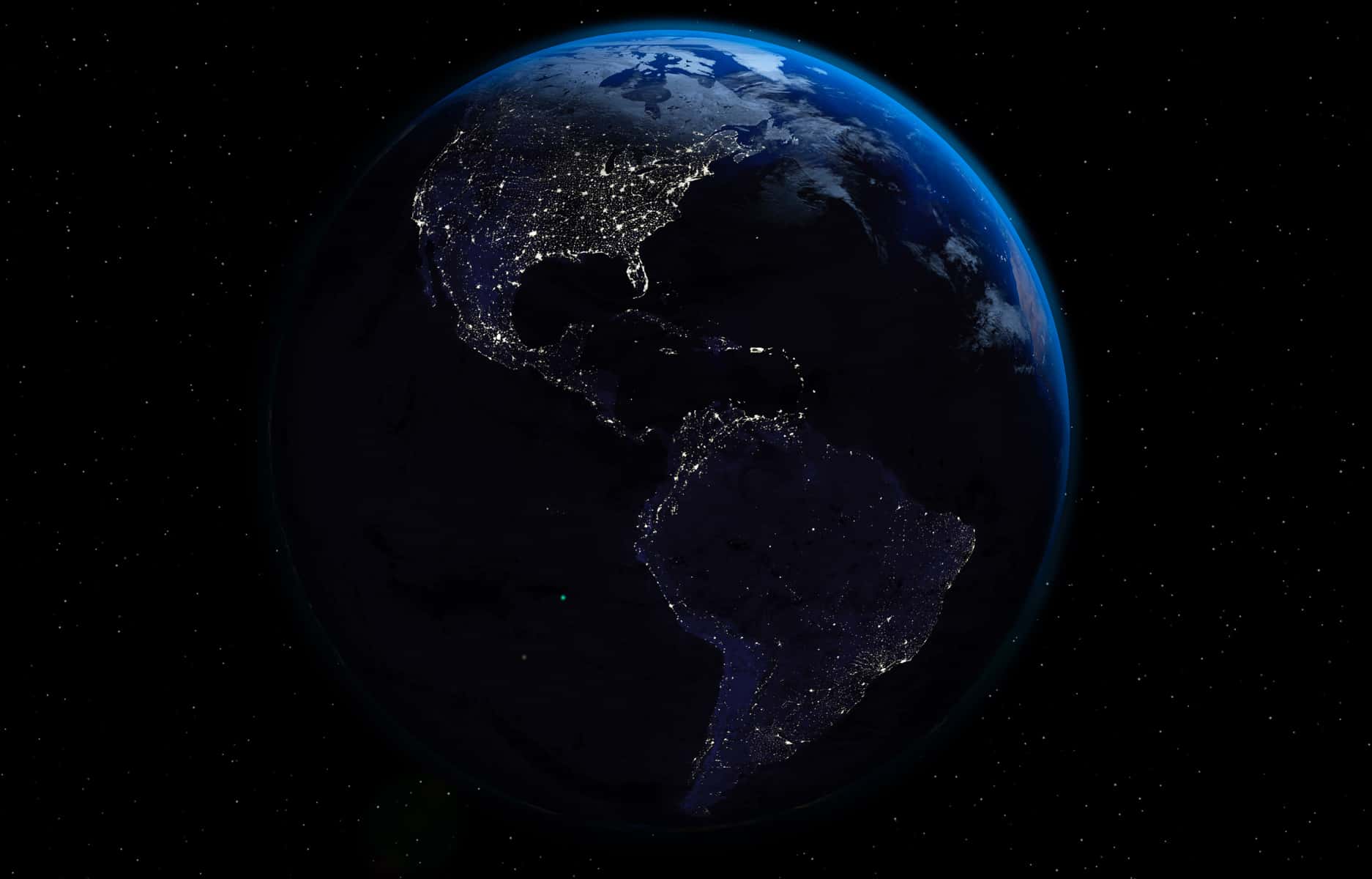
Zero net carbon


BASED ON OUR NEW SUSTAINABILITY MISSION:

TRANSFORMING L’ORÉAL’S BUSINESS TO RESPECT “PLANETARY BOUNDARIES”
Since 2013, when the L’Oréal Group launched its first sustainable development program, Sharing beauty with all, the world has seen many changes. The scale of the challenges we are all facing is unprecedented. “Planetary boundaries” are limits, which, if crossed, will compromise the Earth’s capacity as a habitat for human development. Respecting a safe operating space for humanity must be a priority in the decades to come, as scientists unanimously agree1, which is why L’Oréal aims to transition to a way of operating its entire business within the limits of the planet by launching its new sustainability program “L’Oréal for the future”, laying down the Group’s latest set of ambitions for 2030.
In 2020, the L’Oréal Group has defined new quantifiable targets, to fight climate change as supported by the “Science Based Targets” initiative2, but is also going one-step further by addressing three other major environmental issues:
- Preservation of biodiversity,
- Sustainable water management,
- And circular use of resources.
As a major brand of the L’Oréal Group, L’Oréal Paris will apply this roadmap on all our products and factories, and on our value chain globally.

BECAUSE OUR PLANET IS WORTH IT
L’Oréal Paris mission is to be zero net carbon brand. From 2030, we will have reduced by 50% per unit our carbon emissions, we will contribute to capturing and avoiding CO2 emissions by supporting urgent environmental needs (forest conservation, renewable energy, agroforestry...).
L’Oréal Paris is committed to acting as a leader in sustainable beauty by continuously striving to improve the environmental impact of all its products. This vision of a fairer, more sustainable society is also aligned with the brand’s wider effort to bring about positive change, particularly for women as they are invariably the first victims of climate change.
That is why we have implemented a rigorous sustainability program, identifying a range of areas of action across the value chain and undertaking optimization initiatives in all of them.
REDUCING PACKAGING:
Ambition: By 2025 100% of our plastic packaging will be recyclable, reusable or compostable.
Massively increasing our use of recycled and recyclable materials (plastic, glass...); making lighter-weight packaging and proposing refillable solutions; prioritizing finishing processes that are less energy intensive or harmful to the environment.
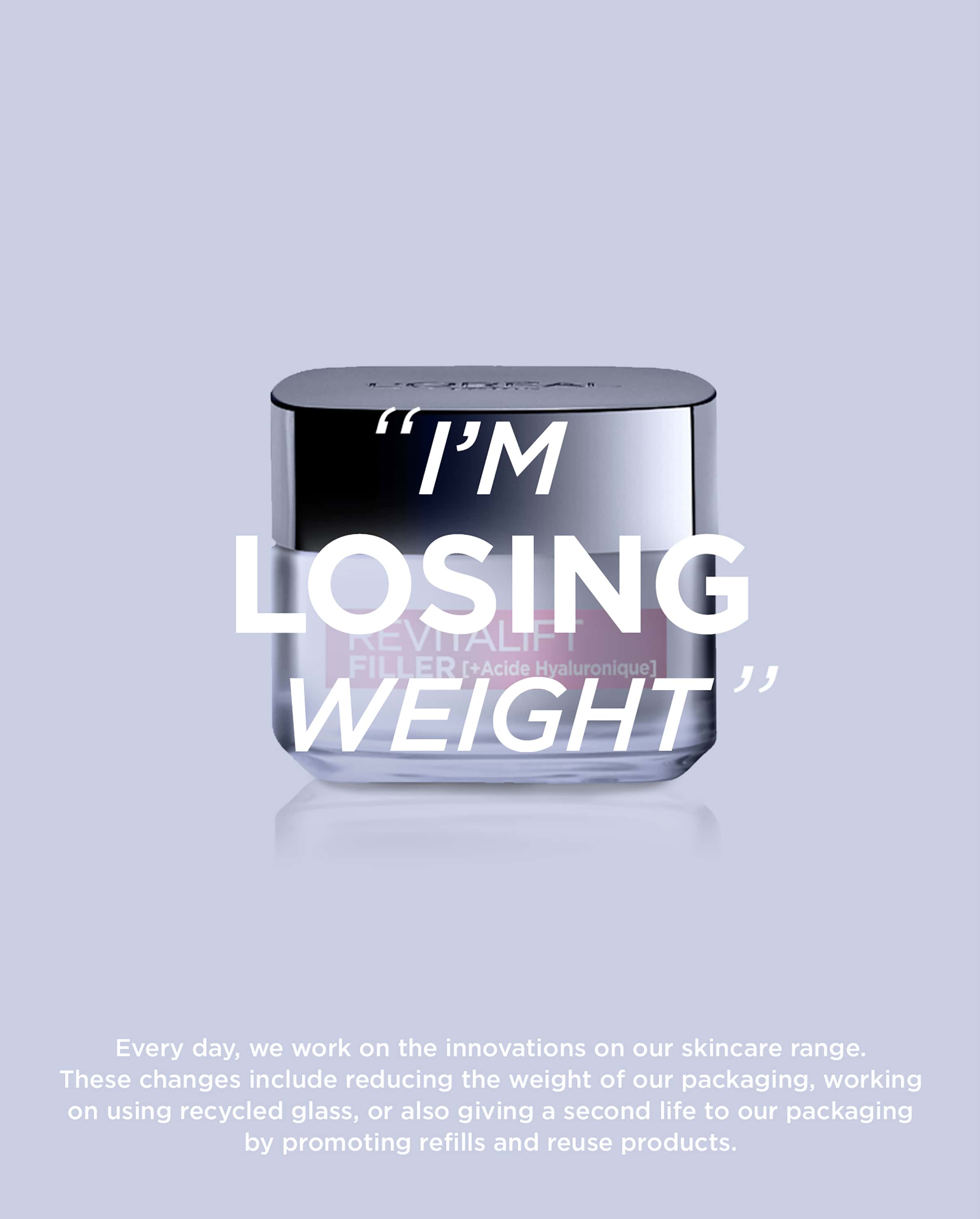
For example, the iconic L’Oréal Paris hair care range, Elvive, has undertaken a major transformation by already using 100% recycled PET (polyethylene terephthalate) for shampoo and conditioner bottles in Europe, by the end of 2020. Moreover, by reducing the weight of the Revitalift jar, L’Oréal Paris reduced the use of glass for this product by 9% per jar, saving 434 tons of glass annually.

IMPROVING FORMULAS:
Ambition: By 2030 100% of our renewable and mineral raw materials will be sustainably sourced.
To reduce our environmental impact, L’Oréal Paris is improving the biodegradability of formulas.
Example: Among the products launched in 2019, Elvive Full Resist Power Mask and Men Expert Shaving Barber Club Crème de Rasage have levels of biodegradability exceeding 94% (97% and 94% respectively).
Moreover, we address a more conscious use of water during useage by helping to reduce the time needed in the shower, the brand also continues to develops formulas that need less water to be rinsed, as well as new beauty routines that require less rinsing steps (two-in-one products or non-rinse haircare treatments).
Example: Elvive Dream Length No Hair Cut cream.
PRODUCING SUSTAINABLY:
Ambition: By 2025, 100% sites will be carbon neutral & By 2030, 100% of our factories will be “waterloop factories»3
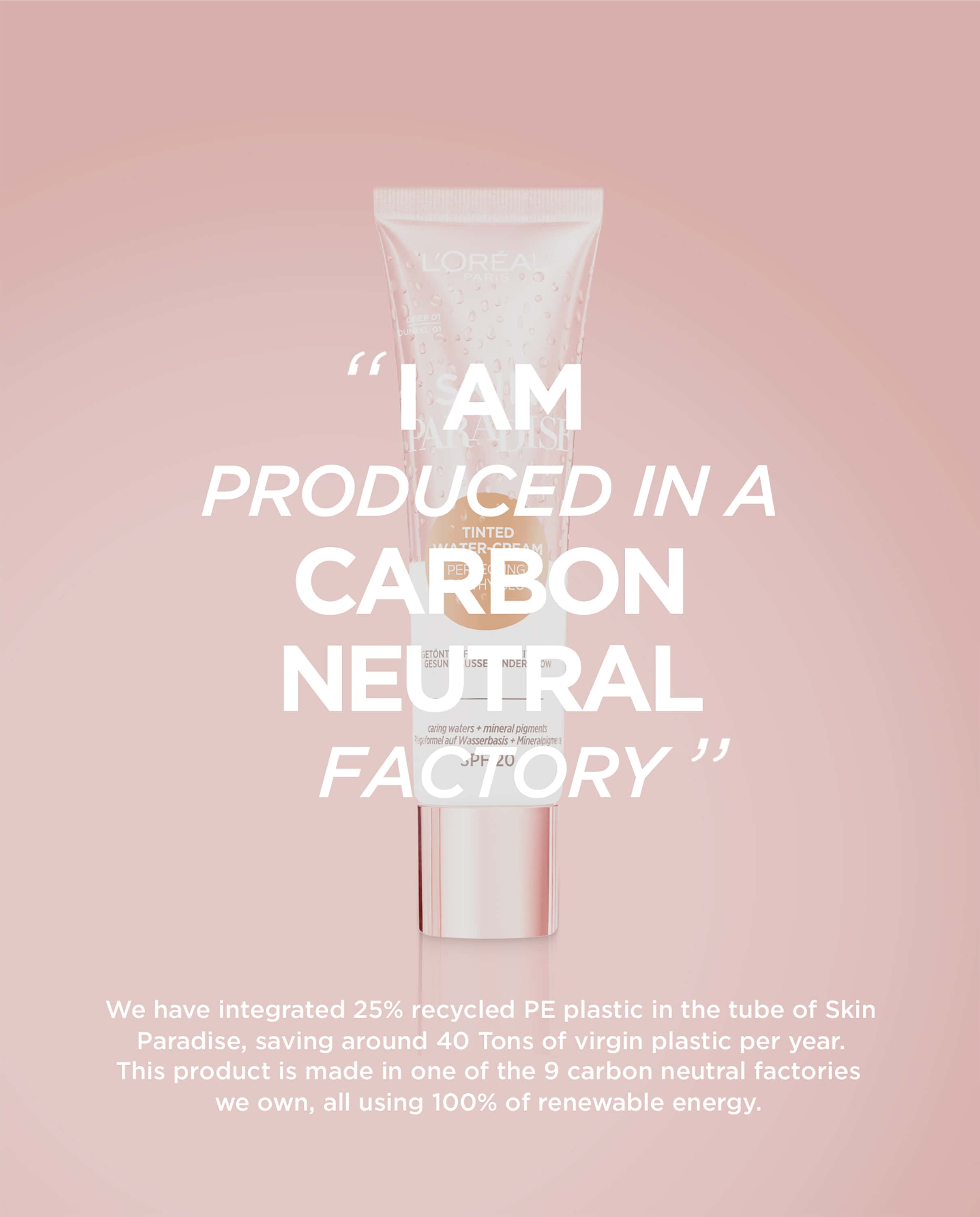
L’Oréal Paris factories continue their ongoing efforts to reduce carbon emissions, water consumption and waste generation. Between 2005 and 2019, L’Oréal Paris factories and distribution centres have reduced CO2 emissions by 74%, water consumption by 44%, and waste generation by 27%. Today L’Oréal Paris products are made in 26 factories around the world. Nine of them are yet carbon neutral (using 100% renewable energy, without offsetting).
BECAUSE YOU ARE WORTH IT.
BECAUSE OUR PLANET IS WORTH IT.
- The concept of “planetary boundaries” was defined in 2009 by a group of Earth system and environmental scientists, led by the Stockholm Resilience Centre and the Australian National University.
- The “Science Based Targets initiative” is a partnership between CDP, UN Global Compact, WRI and WWF. It seeks to encourage businesses to commit to a voluntary transition towards a low carbon economy, in line with the +1.5°C trajectory recommended by international climate experts
- ‘Waterloop factories’ requires all the water necessary for production processes (cleaning equipment, producing steam etc.) to be entirely derived from water recycled in a closed loop on site, with no water sourced from public water supplies.